
In the digital world we live in, people are increasingly connected and seeking information online before making purchasing decisions. In this context, online reviews are an essential source of information for consumers, as they provide insights into other customers' experiences with a company or product.
I'll give you the following example, follow along with me…
It's Saturday night, close to dinnertime, and you're craving pizza. You open iFood and start searching for the best pizza, looking at photos, prices, and especially the pizzeria ratings, identifying which ones have the most positive reviews (stars) and what other customers are saying about their experience with the brand.
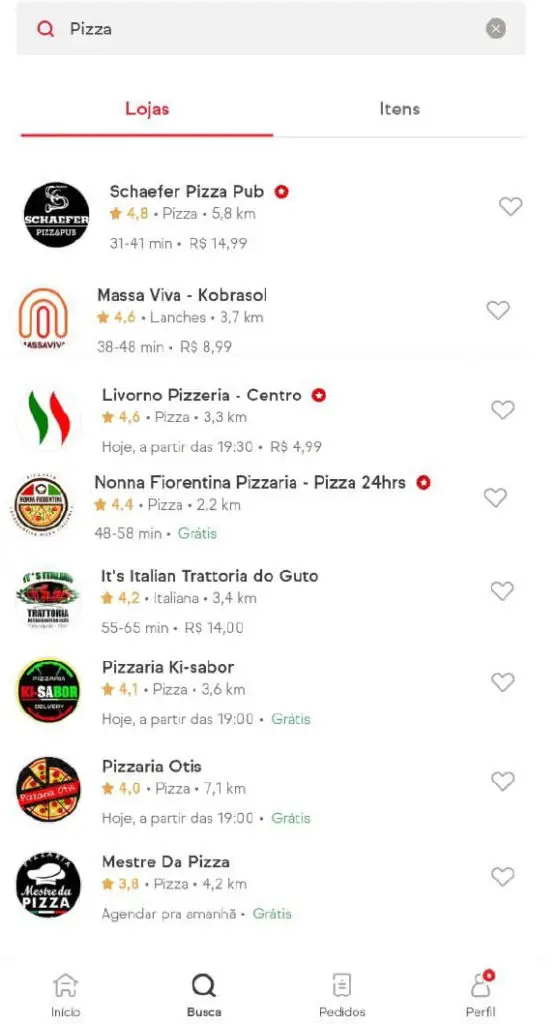
Nowadays, this is how consumers are deciding which brands to trust .
The buyer's journey has changed, and a company's online reputation has a fundamental impact on building trust and, consequently, on the consumer's purchasing decision
After all, would you trust brands with less than 4 stars?
Well, neither would your customer!
Consumers now choose products and services based on experiences shared among themselves on the internet.
Google called this moment the Zero Moment of Truth , or ZMOT.
What is the Zero Moment of Truth (ZMOT) and why is it important for business marketing?
ZMOT and start researching a product or service you're thinking about trying or buying.
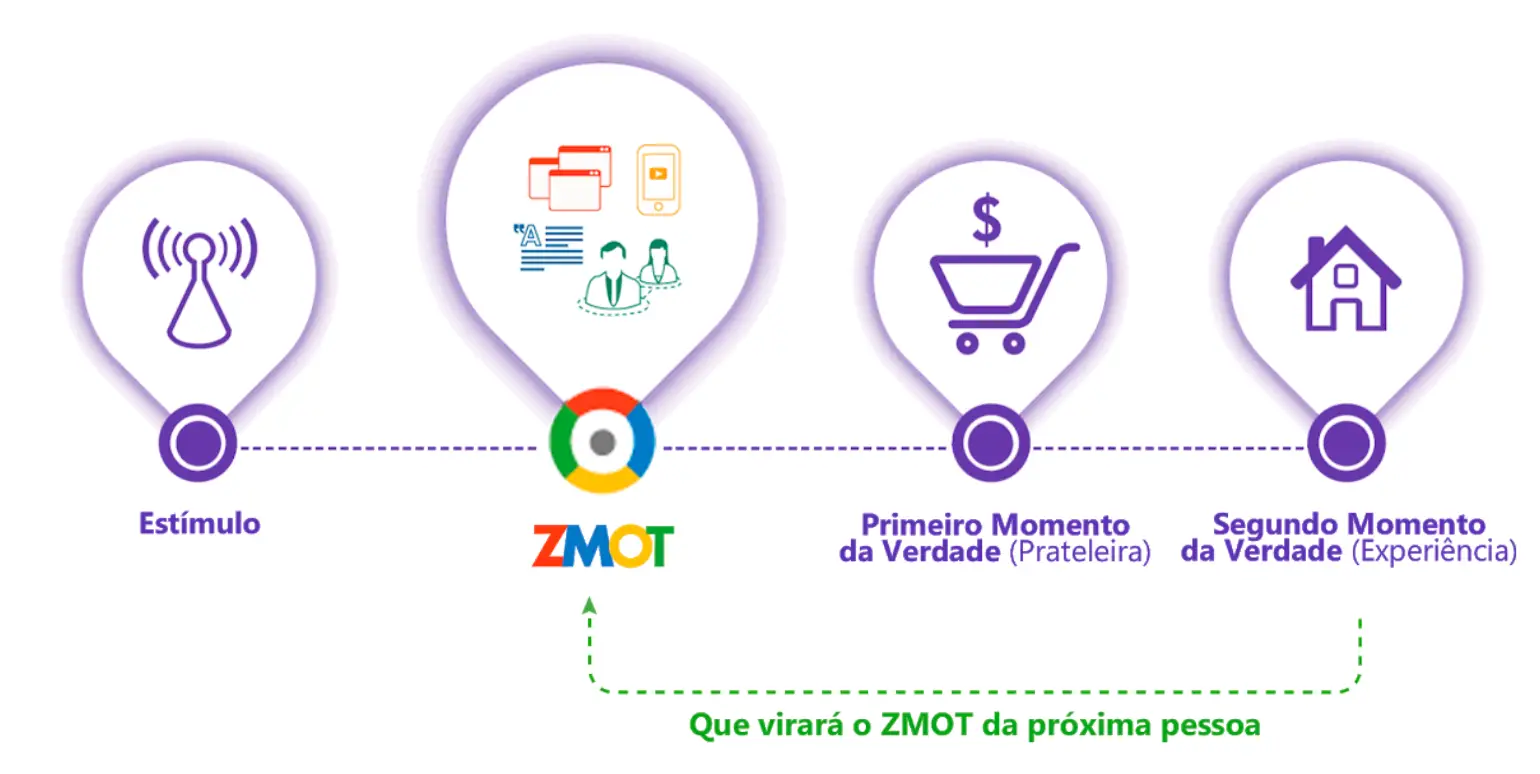
At this point in the journey, a brand's online reputation plays a fundamental—and unprecedented—role, since consumers are no longer influenced by company advertisements and publicity as they once were.
To give you an idea, 93% of consumers say that online reviews from other consumers influence their purchasing decisions(Review Trackers Annual Research).
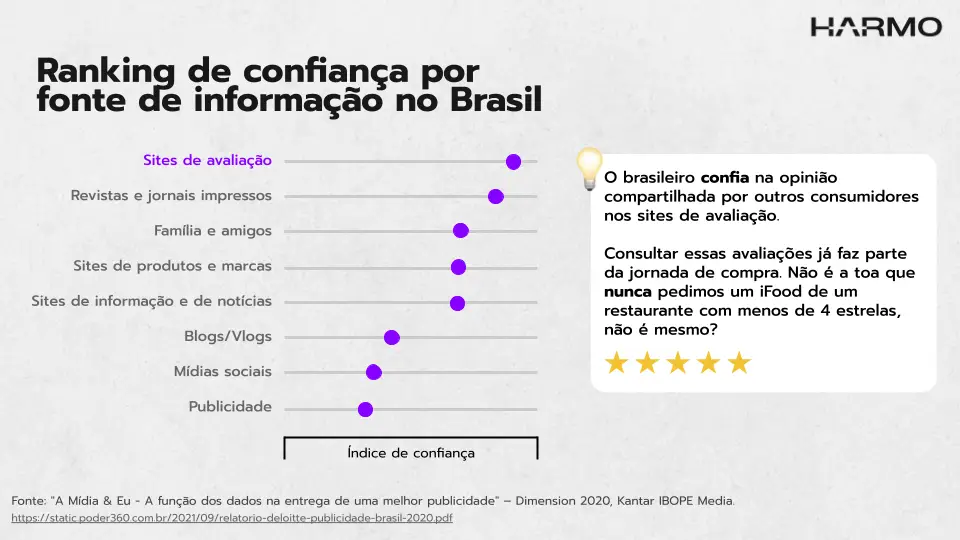
And, according to a Kantar IBOPE Media survey from 2020, Brazilians placed online reviews from other consumers at the top of their list of trusted sources of information.
Google has also noticed this and recently released an experiment it used to update the purchase decision process , pointing to social confirmation biasas one of the factors influencing consumer purchasing decisions.
Google's experiment on purchase decisions
In the experiment , consumers were asked to choose their preferred brand from among several brands in the same category.
In one of the tests conducted, a fictitious brand unknown to the public managed to gain 28% of consumer preference over a well-established and known brand in the market, simply because the fictitious and unknown brand had positive reviews (social confirmation bias) and offered 20% more free products compared to its competitor.
Indeed, social confirmation bias has proven quite effective in influencing consumer purchasing decisions.
Check out other market data on the impact of ratings on building trust and influencing consumer purchasing decisions:
- 57% do not trust establishments with less than 4 stars. (Bright Local)
- 45% of consumers are more likely to choose businesses that respond to online customer reviews. (Review Trackers)
- Customer reviews impact 15.44% of Google search results. (MOZ)
Nano Brand Influencers: A trend that continues to gain momentum
Recently, HubSpot conducted a survey with marketing professionals globally, asking which trends they planned to invest in for 2022.
A total of 34% mentioned influencer marketing, placing this trend at the top of the list for 2022 – above other trends such as responsive design and video marketing in shorter formats.
Influencers are generally masters of the platforms they use and the field they speak about. They already have an engaged audience, interested in their content and influenced by the information that is shared.
When marketers collaborate with influencers and thought leaders in their industry, they can expand brand awareness and gain fans from the influencer's own audience.
One very interesting and relevant point is that more than 56% of marketing professionals who invest in influencer marketing work with micro-influencers.
Since micro-influencers are still considered "ordinary" or "people like us" (unlike celebrities who are difficult to reach), their audience is more likely to trust their opinions and recommendations.
However, a new trend has recently gained traction, which is investing in strategies that encourage brand Nano Influencers
A nano-influencer is a brand advocate; when they post a positive review of their experience with the brand, that review influences other consumers' purchasing decisions and increases trust in the brand.
Companies that regularly use customer reviews as part of their marketing efforts can generate approximately 62% more revenue than companies that do not. (Birdeye)
The buyer's journey has changed, and companies are increasingly realizing that their marketing and advertising messages are having less and less impact on consumer purchasing decisions, especially in the final stage of the journey, at the bottom of the funnel.
Marketing teams are focusing their efforts on strategies that strengthen brand trust before the actual sale conversion.
Key Highlights:
- The purchasing process has changed, and your brand needs to be visible in ZMOT
- Online customer reviews are social proof of brand credibility and trustworthiness
- Nano brand influencers, a new trend to increase brand trust and influence purchasing decisions.
Conclusion
In summary, online reviews are an essential tool for businesses seeking to build trust and credibility with consumers. They provide valuable information about other customers' experiences, which can help consumers make more informed purchasing decisions.
Furthermore, online reviews can help businesses identify opportunities for improvement, as they show what consumers like and what they don't. By responding to customer reviews, companies can demonstrate that they are committed to customer satisfaction and are working to improve their experience.