
Drive to Store is a strategy that integrates the online and offline worlds with the goal of attracting customers to your physical store. Through various marketing and sales actions, the main objective is to ensure that all your points of contact offer memorable experiences for customers.
And, like any strategy, it's necessary to go beyond planning and execution, and it's essential to measure what's working and what isn't. Taking people from online to offline and increasing their conversions is the focus of this concept, but there are many possible results it can bring to the business.
To help you, we've gathered some metrics for you to map and understand what's working in your Drive to Store. Check it out!
Essential Drive to Store Metrics
Visits to the store
Visits to your store are a key aspect of drive to store marketing, and in this regard, we can discuss several metrics to track, such as:
Number of users on the site (Clicks)
Here we're talking about how many users clicked on ads or links that lead to information about your physical store. It's important to track these clicks to evaluate the effectiveness of your online campaigns in driving traffic to your store.
Phone calls to the store or contact through customer service channels
It's common for people to want to get quick answers to their questions, especially when it comes to local businesses they find online but want to visit in person. Therefore, it's helpful to track incoming phone calls and, more importantly, understand how contacts are handled through various customer service channels, particularly WhatsApp.
Gather metrics on calls and contacts by channel before, during, and after campaigns to evaluate the impact of drive to storeengagement.
Routes via Google
This metric from Google Business Profile indicates how many times directions to your store have been requested on Google Maps. An increase in this number after a Drive to Store may indicate greater customer interest in visiting your physical store, as they are trying to figure out how to get there.
This highlights the impact that this type of campaign can have on increasing customer traffic to physical establishments, strengthening the connection between the online and offline worlds of the business.
Furthermore, recent studies by Google indicate that 50% of consumers who search for a location online visit a physical store within 24 hours.

Post-Campaign Traffic
In addition to monitoring what happens in the business during the campaign, it's important to track traffic to your website, digital platforms, and physical stores after a Drive to Storecampaign ends.
An increase in post-campaign traffic can indicate that the actions had a lasting effect on customer awareness and interest, for example.
Conversions
Conversions can include various actions desired by the company, from filling out contact forms and downloading promotional coupons to customer traffic and actual sales in stores.
In-store sales
When we talk about in-store sales, this is a direct result: how many sales were made in physical stores as a result of your campaigns? Here, it's important to monitor the before, during, and after of in-store sales to understand if the drive to store actions had an impact on your financial results.
New customer rate
It's important to understand how many new customers are coming to your business, so find out the percentage of new customers who visit your physical store as a result of your drive to storecampaigns.
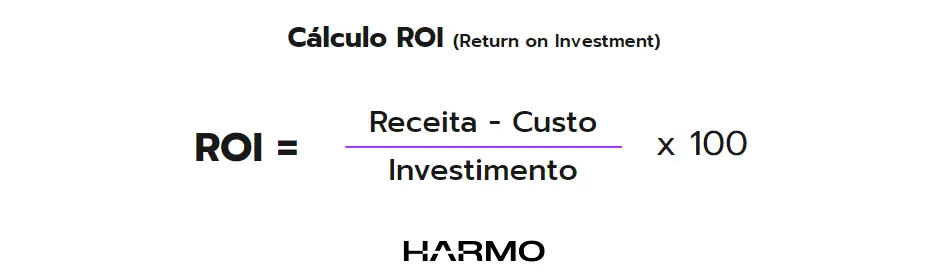
Return on Investment (ROI)
ROI is a financial metric that calculates the return obtained based on the investment made in a campaign. It shows how much revenue was generated in relation to the campaign costs and is essential for determining the effectiveness and profitability of your strategies Drive to Store.
Here, you need to have a visual overview of your conversion rate, planned routes, average order value, and integrate all investments in local marketing, whether it's platform monthly fees, ads, professional pricing, among others.
Average Order Value (AOV)
The Average Order Value (AOV) indicates the average value of all transactions made in a given period and is directly correlated with the business's revenue and profit.
It's important to understand the average spending of your customers to analyze the financial health of your store, and having indicators like this is essential for making truly strategic decisions.
Engagement
Engagement can include different forms of customer interaction with your brand, such as content sharing, comments, reviews, or participation in promotional events, for example, and it's important to track various possibilities.
Time spent in the store
Measuring how long customers spend inside a physical store can provide valuable insights into their level of interest and satisfaction with the shopping experience. An increase in dwell time may indicate a positive customer experience following their drive to store.
Click-through rate
This metric shows how many people clicked on ads or links in relation to the total number of people who viewed your ad. A high click-through rate indicates a high level of interest or relevance of your content to the target audience, while a low rate shows that you need to review the content your business is sending to the audience.
Interactions with content
This includes all forms of user interaction with your campaign content, such as likes, shares, comments, and ratings, for example. Tracking these interactions helps you understand audience engagement with your brand and drive to storecampaigns.
How to measure drive to store metrics
drive to store tools
Measuring drive to store is not an easy task, and to do so, you need tools to structure and map the customer journey with data for analysis.
Harmo - solution drive to store across multiple locations. With this tool, the company benefits from its strategy of increasing customer traffic to its store network, attracting customers from online to offline.
Through this tool, it's possible to map out an up-to-date and standardized end-to-end digital journey across all channels, providing visibility into all your actions and strategies for your business.
Tracking tools
There are several tracking tools available to understand your customer journey, and you need to pay attention to them, such as:
- Google Business Profile (formerly Google My Business): A tool to manage metrics for local searchesand understand indicators such as listing views, directions to your store, clicks, and phone calls.
- Google Analytics: This is one of the most powerful tools your business needs to monitor, providing visibility into link tracking, online visits and conversions, and searches related to your physical store.
- Advertising platforms: obtain reports with specific metrics on platforms such as Google Ads and Facebook Ads, for example. Use the page's own insights, track performance, and understand what makes the most sense regarding your social media.
- CRM tools: Integrate drive to store with your CRM to gain a complete view of the customer journey.
Geofencing
Geofencing is a location-based technique that allows you to define specific geographic areas and send messages or ads to mobile devices when they enter that area.
It's important to design this strategy using virtual zones around your stores to identify when a customer enters or leaves the area and use push notifications or personalized messages to customers who enter the store zone, for example.
With this tool, it's possible to track and generate essential location metrics and insights for your drive to storecampaigns.
Conclusion
More than just implementing actions, the success of a drive to store strategy also depends on the ability to measure and interpret various metrics to know what works and what doesn't in your business.
Looking at your current situation, designing and mapping your own metrics is a step that cannot be postponed at any point in your customer's journey.
How are you measuring your drive to store? Take advantage of the metrics we've mentioned, understand what makes sense and what doesn't in your scenario, customize them to your needs, and measure everything you're doing to achieve even better results in your strategy. And of course, count on Harmo to boost your drive to store!